
Best Gun Oil: 7 Top Gun Oils for Cleaning, Lubrication & Rust Prevention


The best gun oil keeps your firearms running smoothly, resists rust, and protects your investment season after season. Whether you’re heading into winter storage, ramping up for hunting season, or shooting hard during range season, the proper lubrication can be the difference between a smooth day and a costly repair. In this guide, we break down the top-performing gun oils for handguns, rifles, airguns, and collectors — plus a veteran-owned, mission-driven option that delivers serious performance and peace of mind.

Best Gun Oil: Quick Picks

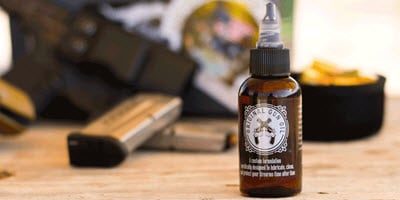
Best Overall & Veteran Pick: Original Gun Oil – NSF-H1, non-toxic, odorless, and safe on metal, wood, and polymer. Works from –47 °F to +497 °F, repels moisture, and supports a veteran-owned mission.

Best for Heavy Use / Duty Guns: Lucas Extreme Duty Gun Oil – Long-proven petroleum-based workhorse designed for high-round-count carbines and duty guns.

Best for Collectors & Mixed-Material Guns: Ballistol Universal Gun Oil – Multi-purpose oil that’s gentle on metal, wood, and plastic — ideal for classic rifles, shotguns, and storage guns.

Best Synthetic Performance Oil: Slip 2000 EWL Synthetic Gun Oil – High-performance synthetic lubricant that stays slick under heat and heavy fire.

Best Budget-Friendly Classic: Hoppe’s No. 9 Lubricating Gun Oil – Simple, affordable oil for routine cleaning and storage.

Best for Harsh Outdoor Conditions: G96 Synthetic Gun Oil – Moisture-resistant synthetic oil that shines in variable weather and field conditions.

Best for Rimfire & Airguns: Rem Oil Gun Oil – Light oil that’s well-suited to .22 LR rifles, small-caliber guns, and airguns.

How we researched: This guide is compiled from manufacturer specifications, independent gun-cleaning resources, shooting forum discussions, retailer listings, and real owner reviews. We cross-checked claims across multiple trusted sources and compared gun oils based on corrosion resistance, lubrication quality, temperature stability, material safety, and real-world user feedback.

🇺🇸 Veteran-Owned Spotlight: Original Gun Oil

Original Gun Oil is made in the USA by a veteran-owned company that donates $1 from every bottle to support veterans and their families. If you like the idea of protecting your firearms while supporting those who served, this one deserves a serious look.

⚡ Short on Time?

Original Gun Oil is our top overall recommendation for most shooters. It’s non-toxic, odorless, safe on all common firearm materials, and built to handle everything from sub-zero hunts to hot summer range days — with serious rust protection.

Shop Original Gun Oil Direct

On this page

Red Flags: Gun Oils to Avoid (and What They Cause)

🚩 Thick “storage-only” oils used for regular shooting – These can gum up actions and collect fouling, leading to sluggish cycling, light strikes, and potential malfunctions if you run them as everyday lubricants.

🚩 Strongly scented or harsh-solvent oils – Heavy odors and aggressive solvents can irritate sinuses, stain wood stocks, and slowly degrade some polymers or Kydex holsters over time.

🚩 No mention of material compatibility – If the bottle or listing doesn’t clearly say it’s safe for metal, wood, and synthetic parts, assume it might stain finishes, dry out wood, or attack plastics and modern coatings.

🚩 “One mystery blend fits all” with no specs – Oils that don’t provide any details on temperature range, corrosion testing, or additives are taking your firearms on a mystery ride. You may not notice problems until a wet hunt or long storage exposes weak rust protection.

🚩 Ultra-cheap bulk oils with no track record – Saving a few dollars on oil and then fighting rust, pitting, or sticky actions is a losing trade. Your firearm is worth more than the difference in cost between bargain-bin oil and a proven product.

Quick Comparison: Top Gun Oils at a Glance

Best Gun Oils for Cleaning, Lubrication & Rust Protection
Product Type / Format Material & Temp Range Best For
Original Gun Oil NSF-H1 synthetic gun oil, 2 oz / 4 oz bottle Metal, wood, polymer; –47 °F to +497 °F; non-toxic, odorless All firearms, hunters, collectors, humid or coastal environments
Lucas Extreme Duty Gun Oil Petroleum-based “extreme duty” oil, 4 oz bottle Metal; high-heat and high-round-count tolerance Duty guns, carbines, and frequent range shooters
Ballistol Universal Gun Oil Multi-purpose oil & protectant, bottles & sprays Metal, wood, plastic; multi-material safe Classic firearms, wood-stock rifles, and shotguns
Slip 2000 EWL Synthetic Gun Oil High-performance synthetic lubricant Metal: heat-stable, low-friction Semi-autos, AR-style rifles, competition guns
Hoppe’s No. 9 Lubricating Gun Oil Traditional lubricating oil Metal: basic lubrication & rust prevention Budget builds, routine cleaning
G96 Synthetic Gun Oil Synthetic gun oil Metal; moisture resistance & outdoor durability Hunters, outdoor shooters, and long-term storage
Rem Oil Gun Oil Lightweight gun oil Metal; light lubrication, basic rust protection .22 LR rifles, airguns, lightly used firearms
Prices and availability as of December 2025. Always verify current price, packaging, and availability before purchasing.

✅ Our #1 Pick: Original Gun Oil (Quick Summary)

Original Gun Oil delivers NSF-H1 safety, extreme-temperature protection, and works on metal, wood, and polymers without a harsh smell or toxicity. It’s a true “do-it-all” gun oil backed by a veteran-owned mission.

Shop Original Gun Oil Now

What Makes a Good Gun Oil?

What We Looked For

When evaluating gun oils, we focused on these key criteria:

  • Material compatibility: Oils needed to be safe on metal, wood, and polymer components so they won’t stain stocks, soften plastics, or attack modern finishes.
  • Corrosion & rust protection: We looked for formulas that repel moisture, humidity, and even salt spray — critical for hunters, coastal shooters, and long-term storage.
  • Temperature stability: A good gun oil shouldn’t turn into molasses in the cold or run like water in the heat. Claims of extreme temperature ranges were cross-checked against user feedback.
  • Lubrication & smooth cycling: Oils should reduce friction and wear on moving parts, especially in semi-autos. Smooth cycling and consistent function matter more than marketing buzzwords.
  • Health & comfort factors: Non-toxic, low-odor, or NSF-H1 formulas (like Original Gun Oil) are easier to use around family, pets, and in enclosed spaces.

Product Deep Dives

1. Original Gun Oil – Best All-Around Gun Oil & Veteran-Backed Pick

Who This Is For: Shooters who want one oil to do almost everything: clean, lubricate, and protect pistols, rifles, shotguns, and collectible firearms — with a non-toxic, odorless formula that’s safe around family and pets.

Original Gun Oil is formulated with synthetic additives, anti-rust and anti-wear agents, and a lighter-than-usual viscosity that penetrates deep into moving parts. Its NSF-H1 rating means it’s authorized for incidental food contact, which is a strong signal on safety around your home, hunting gear, and workbench. It’s also safe for metal, wood, plastic, and polymer — including modern frames, Kydex, and classic wood stocks.

The company is veteran-owned and donates $1 from every bottle sold to support veterans and their families. That combination of performance, safety, and mission is a big reason we rank it as the best gun oil for most people.

Real-World Scenario: You’re winterizing hunting rifles and shotguns or cleaning carry pistols after a long summer of range time. A light coat of Original Gun Oil gives you smooth actions and corrosion protection without strong smells or worries about what’s on your hands or gear.

✓ PROS

  • NSF-H1, non-toxic, odorless — safer for you, pets, and the environment
  • Extreme temperature range (–47 °F to +497 °F) with excellent rust protection
  • Safe for metal, wood, plastic, and polymer components
  • Lighter viscosity penetrates deep with less oil per application
  • Veteran-owned company donating $1 per bottle to support veterans

✗ CONS

  • Higher per-ounce cost than basic gun oils
  • Small bottles can go fast on big collections unless used sparingly
  • You’ll still need a dedicated bore solvent for heavy copper or lead fouling

🎯 Smart Buy Alert: If you only want one bottle on the bench, Original Gun Oil is the easiest choice — it does the job across different guns, seasons, and use cases while supporting a veteran-owned mission.

Get Original Gun Oil (and support veterans)

2. Lucas Extreme Duty Gun Oil – Trusted Heavy-Use Workhorse

Who This Is For: Shooters who run high-round-count carbines, duty pistols, or range guns that see a lot of use and heat.

Lucas Extreme Duty is engineered for high-pressure, high-heat environments. It forms a strong film on metal parts and withstands heavy firing schedules. Many shooters rely on it for duty guns, competition rifles, or firearms that spend a lot of time at the range.

Real-World Scenario: You’re dropping hundreds of rounds in a weekend class. Lucas Extreme Duty helps keep moving parts lubricated and protected from wear under high heat and fouling.

✓ PROS

  • Excellent for heavy-use, high-round-count firearms
  • Strong protective film on metal parts
  • Widely available and trusted in the shooting community

✗ CONS

  • Petroleum-based, with more odor than non-toxic synthetics
  • Not ideal for wood or some polymers if overused
  • A thicker feel can attract fouling if you apply too much

3. Ballistol Universal Gun Oil – Best for Mixed-Material & Storage Guns

Who This Is For: Collectors, owners of wood-stock rifles and shotguns, and anyone who wants one bottle to protect guns, plus stocks or grips.

Ballistol is a classic “do a bit of everything” oil that’s friendly to metal, wood, and plastics. It softens and lifts grime while leaving a protective coating that resists moisture. For firearms with wood stocks or mixed materials, it’s a safer option than aggressive petro-heavy oils.

Real-World Scenario: You have a safe with older bolt guns, lever actions, and shotguns with wood stocks. Ballistol lets you wipe down metal and wood in a single pass and prepare them for storage.

✓ PROS

  • Safe on wood, metal, plastic, and many finishes
  • Good for storage guns and classic firearms
  • Moisture and rust prevention in one bottle

✗ CONS

  • Not as slick under extreme use as dedicated synthetic performance oils
  • A distinct smell that some shooters dislike

4. Slip 2000 EWL Synthetic Gun Oil – Best Synthetic for Semi-Autos

Who This Is For: Owners of semi-auto pistols and AR-style rifles who shoot a lot and want a low-friction, heat-stable lubricant.

Slip 2000 EWL is a synthetic oil that stays in place, resists burning off at high temperatures, and provides excellent slickness. It’s a strong choice for shooters who push semi-autos hard or shoot in classes and competitions.

Real-World Scenario: You’re running drills with a suppressed AR or polymer pistol. Slip 2000 helps keep actions smooth and reliable even as barrels heat up.

✓ PROS

  • High-performance synthetic formula
  • Heat-resistant and long-lasting lubrication
  • Excellent for semi-autos and carbines

✗ CONS

  • More expensive than basic oils
  • Over-application can still attract fouling over time

5. Hoppe’s No. 9 Lubricating Gun Oil – Budget-Friendly Routine Maintenance

Who This Is For: Shooters who want reliable, basic oil without spending much — especially if you’re maintaining a few range guns or older rifles.

Hoppe’s No. 9 Lubricating Oil is a simple oil for cleaning and light lubrication. It’s not packed with advanced additives, but it does a solid job of preventing rust and keeping the action from running dry.

Real-World Scenario: You’re cleaning a range pistol or a .22 plinker. Hoppe’s No. 9 oil provides enough protection for typical range use and storage between trips.

✓ PROS

  • Budget-friendly and easy to find
  • Works for basic cleaning and rust prevention
  • Familiar “classic” choice for many shooters

✗ CONS

  • Not formulated for extreme use or harsh climates
  • Requires more frequent maintenance than premium oils

6. G96 Synthetic Gun Oil – Best for Field Use & Variable Conditions

Who This Is For: Hunters, outdoors shooters, and anyone storing long guns in cabins, safes, or garages where temperature and humidity fluctuate.

G96 Synthetic Gun Oil provides solid moisture and rust protection with a synthetic formula that performs better in changing weather than many basic oils. It’s a strong candidate for hunting rifles and shotguns that see exposure to rain, cold, and long periods of storage.

Real-World Scenario: Your deer rifle sits for months between seasons, then hits the field in wet, cold weather. A light coat of G96 protects the metal and keeps the action smooth when it matters.

✓ PROS

  • Good moisture and rust protection
  • Handles changing temperatures and field conditions
  • Ideal for hunting rifles and shotguns

✗ CONS

  • Not as slick as high-end synthetics for extreme semi-auto use
  • Best suited as a protective/storage oil rather than pure performance oil

7. Rem Oil Gun Oil – Best for Rimfire & Airguns

Who This Is For: Owners of .22 LR rifles, airguns, or lower-pressure firearms that don’t need heavy-duty lubrication.

Rem Oil is a light gun oil that’s easy to apply and wipe clean. It’s enough for basic lubrication and rust prevention on small-caliber guns and airguns, where heavy oils can over-lube parts or cause sluggish performance.

Real-World Scenario: You’re cleaning a .22 LR rifle or an air rifle after a backyard plinking session. A small amount of Rem Oil helps keep the action from running dry without creating sticky residue.

✓ PROS

  • Lightweight oil that won’t overload small mechanisms
  • Good basic rust prevention for low-pressure firearms
  • Easy to apply, easy to wipe off

✗ CONS

  • Not ideal for high-round-count centerfire guns
  • Limited long-term protection compared to premium oils

⚠️ Reality Check

Even the best gun oil can’t rescue a firearm that’s never cleaned, stored wet, or abused. Regular cleaning, light lubrication, and smart storage are still mandatory. A quality oil is your insurance policy — but it only works if you actually use it.

Questions People Actually Ask About Gun Oil

What is the best gun oil?

“Best” depends on your priorities, but for all-around use, we like Original Gun Oil. It offers strong rust protection, extreme temperature tolerance, and is non-toxic and odorless. For heavy-use carbines or duty guns, Lucas Extreme Duty and Slip 2000 EWL are strong contenders.

How much gun oil should I use?

Less than you think. Gun oil is most effective as a thin film on contact surfaces, not a dripping bath. A few drops on rails, contact points, and pivot pins are usually enough. Over-oiling attracts fouling and dust, which can lead to sticky actions and more cleaning later.

Can I mix different gun oils?

In general, you want to avoid intentionally mixing oils or stacking different oils and CLPs on top of each other. Different formulas can react in unpredictable ways, thinning out or turning gummy. If you’re switching products, wipe off the old oil, clean as usual, and then apply the new oil to a “fresh” surface.

How long does gun oil last in the bottle?

Most quality gun oils last for years if stored properly — capped tightly, kept out of direct sunlight, and away from extreme heat. If an oil separates, changes color dramatically, or smells “off,” it’s worth replacing. When in doubt, fresh oil is cheap insurance compared to what your firearms cost.

Do I really need a special gun oil? Can I use general-purpose oil?

Gun oils are specifically designed for the pressures, temperatures, and materials of firearms. General-purpose lubricants may offer short-term slickness, but they often lack the corrosion inhibitors and material safety you want on firearms. Over time, that can mean rust, finish issues, or unreliable performance.

Can gun oil damage wood, plastic, or polymer parts?

Some aggressive or petroleum-heavy oils can stain wood, soften some plastics, or cause long-term issues with specific finishes. That’s why we like oils that openly state material safety — like Original Gun Oil and Ballistol — for mixed-material firearms.

What’s the difference between gun oil and CLP?

Gun oil focuses on lubrication and corrosion prevention. CLP (Cleaner-Lubricant-Protectant) combines cleaning agents, lubricant, and protectant in one formula. CLP is handy for quick field cleanings, but many shooters prefer a dedicated solvent followed by a dedicated oil for deeper cleaning and longer-term protection.

How often should I oil my gun?

As a baseline, lightly oil after each shooting session and apply a protective film before long-term storage. High-volume shooters or people in humid climates may need to check and re-oil more frequently. Dry, dusty environments may require a lighter oiling to avoid attracting grit.

Related Products That Pair Well With Gun Oil

Gun Cleaning Kits: A quality gun cleaning kit makes oils much more effective. Look for kits that include brass rods, bore brushes, jags, and patches. Examples include options like universal gun cleaning kits that cover multiple calibers.

Storage Solutions: Protecting oiled guns in a good environment matters as much as the oil itself. Consider gun safes, padded cases, or lockable cabinets with dehumidifiers or desiccant packs.

Cleaning Accessories: Bore snakes, dedicated nylon/brass brushes, microfiber cloths, and patch pullers help you get fouling out efficiently before you apply oil. Search for gun cleaning brushes and patches that match your calibers.

Final Thoughts: Choosing Your Gun Oil

Quality gun oil is cheap insurance. The right oil keeps your firearms cycling smoothly, protects against rust and moisture, and reduces wear so your guns last longer and work when it matters. If you want one bottle that checks almost all the boxes — safety, performance, broad compatibility, and a mission you can feel good about — Original Gun Oil is the easy choice.

From there, you can specialize — heavy-duty oils for high-round-count carbines, gentle multi-material options for classic rifles and shotguns, and lightweight oils for rimfire and airguns. Any of the picks above will get the job done when used correctly; it’s all about matching the oil to your guns, your climate, and how much you shoot.

Related Articles Worth Reading

Best Shooting Ear Protection 2026 – Because protecting your hearing matters as much as protecting your firearms.

How to Zero a .22 LR Scope – Learn how to get your rimfire rifle dialed in for tight groups.

Best Indoor Gun Ranges – Where to put your freshly cleaned and lubricated firearms to work.

Outdoor Life – Best Gun Oils Guide

Legal Disclaimer: This article is for informational purposes only and does not constitute legal advice. Always verify federal, state, and local laws before purchasing or carrying any firearms or related products.

Some links may be affiliate links. If you purchase, we may earn a small commission at no additional cost to you. Prices and availability are subject to change — please verify before purchasing.

Leave a Reply


TRENDING

COMMENTS